Moringa Powder: Benefits, Nutrition, Side Effects, and What Science Actually Says
-
Kashyap Vyas
- Posted on
- 0 comments
Medically reviewed for accuracy and clarity by an independent healthcare editor.
TL;DR: What You Should Know About Moringa Powder
- Moringa powder is a nutrient-rich ingredient. Made from dried Moringa oleifera leaves, it contains protein, fibre, minerals, carotenoids, and other naturally occurring plant compounds.
- It can complement a balanced diet. Moringa offers a convenient way to introduce additional plant-based nutrients into everyday meals, although its contribution depends on the amount consumed.
- Blood sugar and blood pressure are promising research areas. Some human studies have reported favourable changes, but the overall clinical evidence is not yet consistent.
- Its antioxidant compounds are scientifically interesting. Laboratory research has identified several biologically active substances, although their effects in humans require further investigation.
- Moringa is not a proven weight-loss treatment. Its role as a nutritious ingredient should be distinguished from claims about fat burning or rapid weight loss.
- Quality and individual suitability matter. Appropriate processing, contamination controls, medication use, and personal health conditions should be considered before regular supplementation.
Moringa has an interesting place in Indian food culture. Long before it became a popular superfood, it was already growing in backyards, appearing in traditional recipes, and being consumed as part of everyday meals.
The long pods of the drumstick tree are familiar ingredients in sambar and curries. Its leaves are also used in regional preparations, particularly in southern India.
Today, those same leaves have found a new audience. Dried and ground into a green powder, Moringa is promoted for everything from daily nutrition and antioxidant support to blood sugar management, healthier skin, and weight loss.
Some of this interest has a reasonable scientific foundation.
Moringa leaves contain protein, minerals, fibre, and naturally occurring plant compounds. Researchers have also investigated their effects on blood glucose, blood pressure, inflammation, and other health-related processes.
But not every benefit has the same level of scientific support.
While Moringa’s nutritional properties are relatively well documented, research into its therapeutic effects is still developing. Some clinical findings are encouraging, others are inconsistent, and certain popular claims have received surprisingly little direct investigation in humans.
So, what can Moringa powder realistically offer?
This guide explores its nutritional value, potential health benefits, scientific evidence, practical uses, and safety considerations, helping you make an informed decision without relying on exaggerated promises or unnecessary scepticism.
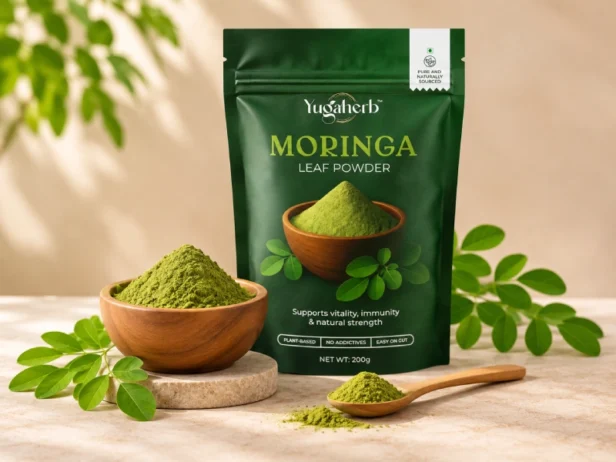
What Is Moringa Powder?
Moringa powder is made from the leaves of Moringa oleifera, a fast-growing tree found throughout tropical and subtropical regions.
In India, it is widely known as the drumstick tree or sahjan. While the pods are commonly eaten as vegetables, the leaves have also been used in traditional cooking for generations.
Fresh Moringa leaves can be prepared similarly to other leafy greens. They may be cooked with lentils, added to vegetable preparations, or incorporated into regional dishes.
Moringa leaf powder offers another way to use the same plant.
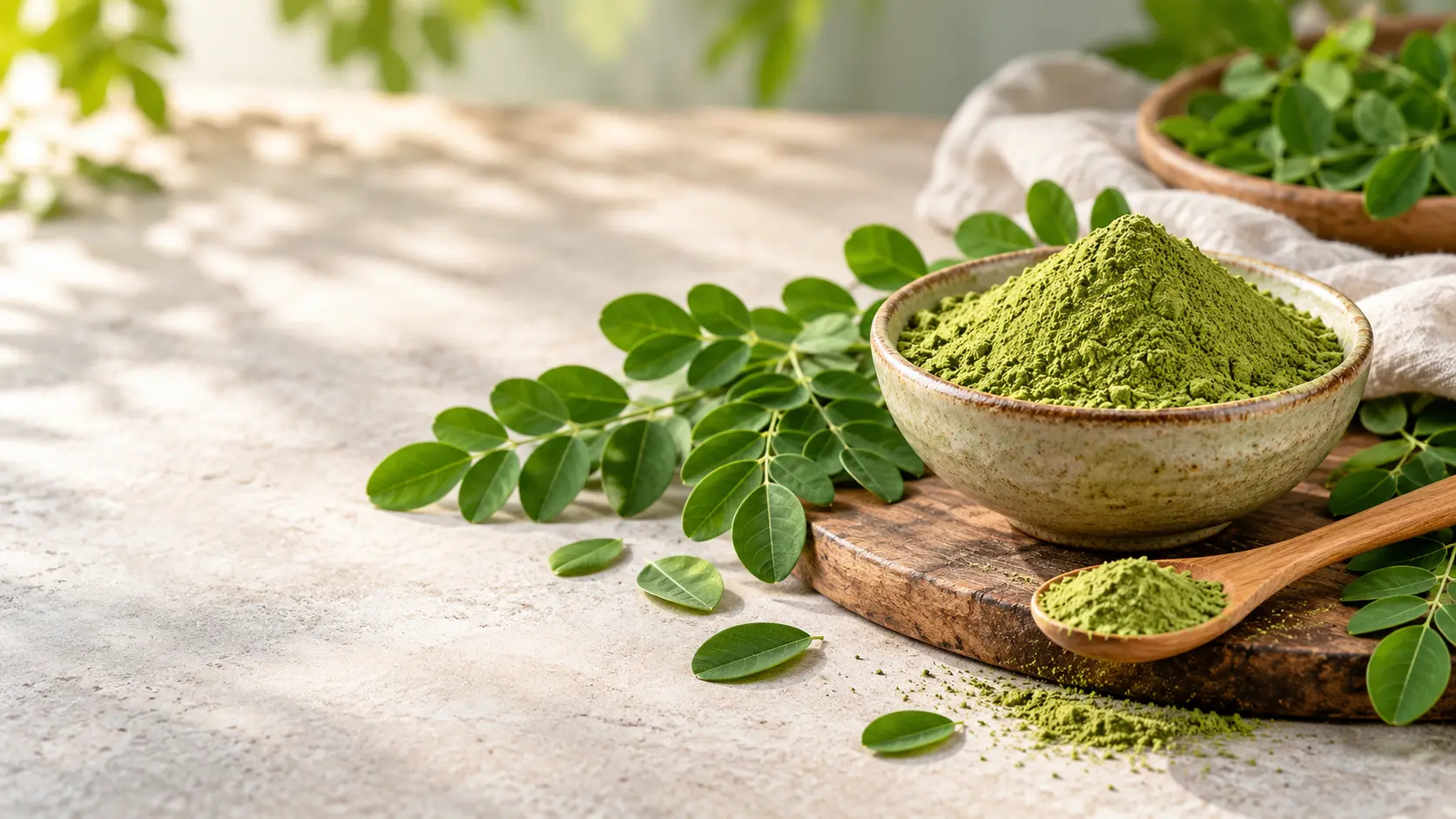
After harvesting, the leaves are typically cleaned, dried, and ground into a fine powder. Drying removes much of the moisture, allowing the leaves to be stored and used in smaller quantities.
The resulting powder has an earthy flavour, a slightly bitter taste, and a characteristic green appearance.
Why Has Moringa Become So Popular?
Much of Moringa’s popularity comes from the diversity of nutrients and phytochemicals found in its leaves.
Unlike some ingredients promoted primarily for one particular vitamin or mineral, Moringa contains a combination of several nutrients and plant compounds.
It is also versatile. The powder can be incorporated into familiar foods without requiring a major change in eating habits.
Researchers have become increasingly interested in how its nutritional composition and biologically active compounds might contribute to health.
However, Moringa’s value as food and its possible therapeutic effects should be understood separately.
A plant can be a useful dietary ingredient even when evidence for particular medical benefits remains incomplete.
Moringa Leaf Powder vs. Moringa Extract
Not every Moringa product contains the same ingredients.
Whole-leaf powder is produced by drying and grinding the leaves. It retains much of the original plant material, including dietary fibre.
Moringa extracts are different. They may be prepared using water, alcohol, or other extraction techniques that concentrate particular compounds.
Some products also contain Moringa seeds, seed extracts, or combinations of multiple ingredients.
These distinctions matter when interpreting scientific research.
A trial investigating a concentrated extract does not necessarily tell us what happens when someone adds ordinary Moringa leaf powder to their diet.
For this guide, the primary focus is plain Moringa leaf powder, with other preparations distinguished where relevant.
Moringa Powder Nutrition: What Makes It Interesting?
One of Moringa’s strongest and most established characteristics is its nutritional composition.
The leaves contain protein, dietary fibre, calcium, potassium, iron, magnesium, and several other nutrients. They also provide carotenoids and naturally occurring plant compounds.
A comprehensive 2022 scientific review examining Moringa’s nutritional composition, bioactive compounds, and dietary applications describes the leaves as a potentially useful ingredient in nutrient-rich foods.
What makes Moringa interesting is not that it contains one extraordinary nutrient. It is the combination of several nutrients and compounds within the same edible plant.
1. Plant-Based Protein
Protein is necessary for maintaining body tissues, producing enzymes, and supporting various physiological functions.
Moringa leaves contain protein, including essential amino acids.
The amount found in dried powder can be relatively concentrated compared with many fresh vegetables, partly because much of the water has been removed.
However, the actual quantity consumed matters.
A small addition of Moringa powder is unlikely to replace substantial protein sources such as pulses, dairy, eggs, soy, or other protein-rich foods.
Its value is better understood as a supplementary contribution to the overall diet.
2. Calcium and Other Minerals
Moringa leaves contain calcium, potassium, magnesium, and other minerals involved in normal physiological functions.
Calcium contributes to maintaining bones and teeth, while potassium and magnesium participate in several essential processes, including normal muscle and nerve function.
These minerals are naturally present in Moringa, making it an interesting ingredient from a nutritional perspective.
However, mineral content can vary between powders, and the amount absorbed by the body is influenced by several dietary factors.
3. Iron
Iron is needed to produce haemoglobin, which helps transport oxygen through the blood.
Moringa leaves contain plant-based, or non-haem, iron.
This can contribute to dietary iron intake, although non-haem iron is generally less readily absorbed than haem iron from animal foods.
Its absorption also depends on other foods consumed in the same meal.
For example, vitamin C from fruits and vegetables can improve the absorption of non-haem iron, while certain dietary compounds can reduce it.
Moringa can therefore contribute iron to meals, but it should not be treated as a replacement for prescribed iron supplementation when deficiency has been diagnosed.
4. Dietary Fibre
Dietary fibre contributes to digestive health and supports normal bowel function. Moringa leaf powder contains fibre, which can add to the total fibre provided by a meal. However, a small serving offers substantially less fibre than a full portion of vegetables, pulses, fruits, or whole grains.
It is best viewed as one contributor within an overall fibre-rich diet.
5. Carotenoids and Plant Compounds
Moringa leaves also contain carotenoids, including beta-carotene, along with several classes of polyphenols. Beta-carotene can be converted into vitamin A by the body, contributing to functions such as normal vision and immune health.
Polyphenols are plant compounds that have attracted research interest because of their chemical properties and possible biological effects.
We’ll explore these compounds further in the benefits section.
How Much Nutrition Does a Normal Serving Provide?
The nutrient concentration of Moringa powder can look impressive when expressed per 100 g. However, many people consume only a small quantity at a time. This distinction is important when evaluating nutritional claims.
Consider the following illustrative composition values compiled from published research.
| Nutrient | Per 100 g | Per 5 g Serving |
|---|---|---|
| Protein | 27.1 g | 1.36 g |
| Dietary Fibre | 19.2 g | 0.96 g |
| Calcium | 2,003 mg | 100.15 mg |
| Iron | 28.2 mg | 1.41 mg |
| Potassium | 1,324 mg | 66.2 mg |
| Magnesium | 368 mg | 18.4 mg |
Source: Published Moringa nutritional composition review (2022) . Values are literature-based estimates. The 5 g amounts are calculated from the 100 g reference values and do not represent laboratory-tested values for Yugaherb Moringa Powder.
This comparison highlights two things.
First, Moringa leaf powder contains a useful range of nutrients.
Second, the nutritional contribution of an individual serving depends on how much powder is actually used.
Neither observation cancels out the other.
A relatively small portion may contribute modest amounts of several nutrients, while the rest of the diet continues to provide the majority of daily nutritional requirements.
Does Drying Change Moringa’s Nutritional Value?
Yes. Drying removes water, concentrating many nutrients by weight. This is why dried Moringa often appears substantially more nutrient-dense than fresh leaves when equal weights are compared.
However, drying is not nutritionally neutral. Some heat-sensitive substances, particularly vitamin C, may decline during processing and storage.
Different drying temperatures, exposure to sunlight, and storage conditions can also influence colour, flavour, and nutrient retention.
The quality of the final powder therefore depends partly on how the leaves are handled.
What About Nutrient Absorption?
The amount of a nutrient present in a food is not always the amount the body absorbs.
Moringa contains naturally occurring compounds such as phytates and oxalates, which may influence the bioavailability of certain minerals.
The effect depends on the nutrient, the preparation, and the composition of the overall meal.
This doesn’t make Moringa nutritionally unhelpful. It simply means that nutrient content and actual nutritional benefit are related, but not identical.
The nutritional takeaway: Moringa can offer a convenient way to add a diverse collection of plant-based nutrients to meals. Its contribution is most meaningful when considered alongside serving size, product composition, and the overall diet.
How much protein, calcium, iron, and fibre might your serving provide? Adjust the amount in the calculator to explore estimated nutritional values using published reference data.
Nutrition reality check
What does your serving actually contain?
Choose an amount of Moringa leaf powder to see estimated nutrients in that portion.
1 g20 g
Protein1.36 g
Fibre0.96 g
Calcium100.15 mg
Iron1.41 mg
Understand the estimate: These are published reference figures for Moringa leaf powder, not laboratory results for Yugaherb products. Actual levels vary by crop, processing and batch. Nutrient content is not the same as the amount your body absorbs. This is not a recommended dose.
Reference composition per 100 g: protein 27.1 g; fibre 19.2 g; calcium 2,003 mg; iron 28.2 mg. See published nutrition review and Table 1.
Moringa Powder Benefits: What Does Scientific Research Say?
Moringa’s nutritional composition is only part of the reason it attracts scientific attention.
Its leaves also contain naturally occurring compounds that researchers have investigated for their possible effects on glucose metabolism, blood pressure, inflammation, and other biological processes.
Some findings are encouraging, particularly in studies examining metabolic health.
At the same time, the research remains uneven. A 2026 systematic review analysing 20 clinical studies involving people with metabolic conditions reported potentially favourable effects on blood glucose and blood pressure.
However, a separate 2025 meta-analysis of nine randomised controlled trials did not find consistent improvements across most cardiometabolic measures and rated the certainty of evidence as very low.
These differences are worth understanding. They don’t necessarily mean one review is correct and the other is wrong. The included studies, participant populations, methods, and statistical approaches differed.
Together, they suggest that Moringa has potentially useful properties that deserve further investigation, while reminding us that its clinical effects are not yet fully understood.
1. Moringa and Blood Sugar Regulation
Blood sugar regulation is among the most extensively investigated potential benefits of Moringa.
Researchers have explored whether compounds present in the leaves may influence glucose absorption, insulin-related processes, or other mechanisms involved in glucose metabolism.
There are encouraging findings. Some human trials have reported improvements in fasting blood glucose and HbA1c, a measure of average blood glucose over approximately two to three months.
The 2026 review discussed above also found favourable pooled results in people with metabolic conditions. This makes glucose regulation one of the more promising areas of Moringa research.
However, the results have not been consistent across all trials. Differences in the participants’ health, the Moringa preparations used, and study duration make it difficult to predict whether similar effects would occur in the general population.
It is also important to distinguish between an improvement in a clinical measurement and evidence that a supplement can prevent or treat a disease.
Where the evidence stands: Human research provides encouraging indications that Moringa may influence glucose metabolism. However, its effectiveness, optimal preparation, and appropriate use require further confirmation.
For people with diabetes, Moringa should not replace prescribed medication or established medical care.
2. Moringa and Blood Pressure
Blood pressure is another interesting area of clinical investigation.
Researchers have examined whether Moringa supplementation might influence blood pressure through several possible mechanisms.
A 2026 systematic review and meta-analysis of eight randomised controlled trials reported reductions in both systolic and diastolic blood pressure. Systolic pressure is the upper number in a blood-pressure reading, while diastolic pressure is the lower number.
The findings are noteworthy because they concern measurements taken in human trials rather than laboratory experiments alone. The broader review of metabolic conditions also reported encouraging blood-pressure results.
However, the earlier 2025 analysis found that an observed reduction in diastolic pressure did not remain robust under additional sensitivity analyses. This suggests that results may depend on which studies are included and how their quality is assessed.
Questions also remain about differences between Moringa preparations, intervention periods, and participant characteristics.
Where the evidence stands: Some controlled human research suggests that Moringa may influence blood pressure. The findings are promising but not sufficiently consistent to establish it as a treatment for hypertension.
Anyone taking blood-pressure medication should discuss supplemental use with their healthcare professional.
3. Moringa and Cholesterol
Moringa has also been investigated for its possible influence on cholesterol and other blood lipids. Researchers are interested in whether its fibre and plant compounds may affect lipid-related processes.
Some smaller studies have reported favourable changes in cholesterol measurements. However, results across controlled clinical trials have been mixed.
The 2025 review mentioned earlier did not identify consistent improvements in most lipid-related outcomes. This leaves an important distinction between possible biological activity and clinically reliable benefits.
Where the evidence stands: Moringa’s relationship with cholesterol remains an active area of research, but current human findings are not consistent enough to establish a cholesterol-lowering effect.
4. Antioxidant Properties and Cellular Health
Moringa leaves contain several naturally occurring compounds that have demonstrated antioxidant activity in laboratory investigations.
These include flavonoids, phenolic acids, and carotenoids. To understand why they attract interest, it helps to understand oxidative stress.
Normal metabolic processes generate reactive molecules within the body. When these molecules accumulate beyond the capacity of the body’s protective systems, they can contribute to oxidative stress.
The body already has complex systems for managing these processes, and dietary nutrients can play supporting roles. Moringa’s phytochemicals have been studied for their ability to participate in antioxidant-related reactions.
However, antioxidant activity measured in a laboratory does not automatically translate into protection against disease. The amount absorbed, how compounds are metabolised, and whether they produce meaningful effects in human tissues are all important considerations.
Where the evidence stands: Moringa’s antioxidant composition is well documented, and its compounds are biologically interesting. Their direct contribution to specific clinical outcomes in humans requires further investigation.
5. Anti-Inflammatory Potential
Inflammation is part of the body’s normal response to injury and infection.
Problems can arise when inflammatory processes become prolonged or poorly regulated. Moringa contains compounds that researchers have investigated for possible effects on inflammation-related pathways.
Some laboratory and animal studies have produced encouraging findings. These findings are useful for understanding possible mechanisms, but they do not establish that ordinary Moringa powder meaningfully reduces chronic inflammation in humans.
Well-designed clinical trials measuring relevant inflammatory markers and health outcomes are still needed.
Where the evidence stands: Moringa has demonstrated interesting anti-inflammatory activity in preclinical research. Its practical clinical significance remains uncertain.
6. Does Moringa Powder Support Immunity?
Moringa’s nutritional profile contributes to its reputation as an ingredient that supports general wellness.
Several nutrients found in the leaves are involved in normal physiological processes, including immune function. For example, vitamin A is important for maintaining normal immune responses and healthy epithelial tissues.
However, the presence of nutrients involved in immunity should not be confused with proof that a particular food prevents infections. Similarly, early research involving plant compounds and immune-related mechanisms does not automatically establish a clinical benefit.
The strongest argument for Moringa in this context is its potential contribution to overall nutritional adequacy.
Where the evidence stands: Moringa can contribute nutrients relevant to normal immune function, but claims that supplementation directly strengthens immunity or prevents illness are not established by convincing human clinical evidence.
7. Can Moringa Help with Weight Management?
Moringa powder can fit into a balanced diet because it provides nutrients and can be added to a range of foods.
However, that is different from claiming it directly causes weight loss. Interest in Moringa and weight management has partly come from laboratory investigations into metabolism and related biological processes. But results from human trials have been less encouraging for weight reduction.
The 2026 meta-analysis discussed earlier found no statistically significant improvement in body weight or body mass index.
Interestingly, the same analysis reported favourable results for blood pressure. This demonstrates why the benefits of a supplement should be evaluated individually rather than assumed to apply across several health outcomes.
Where the evidence stands: Moringa may have a place within a nutritious weight-management diet, but it has not been shown convincingly to produce meaningful weight loss or directly burn body fat.
8. Moringa for Energy and Everyday Nutrition
Moringa contains nutrients involved in energy metabolism, including iron and several B vitamins.
This makes it nutritionally interesting, particularly when used to complement meals. But the relationship between nutrient intake and how energetic someone feels is not straightforward.
Fatigue can result from many factors, including sleep quality, stress, inadequate calorie intake, nutrient deficiencies, and medical conditions. If someone’s diet is deficient in an important nutrient, improving that deficiency can have meaningful benefits.
However, that does not mean taking Moringa powder will automatically improve energy levels in someone who already has an adequate diet.
Where the evidence stands: Moringa can contribute to overall nutrient intake, but direct improvements in energy or fatigue from supplementation are not well established.
9. Moringa for Skin and Hair
Moringa’s carotenoids, minerals, and polyphenols have contributed to growing interest in its cosmetic applications.
Researchers have also investigated Moringa seed oil and extracts in skincare formulations. These investigations are scientifically interesting, but they involve different products and methods from consuming leaf powder.
There is currently limited direct human evidence that taking Moringa leaf powder improves skin appearance or stimulates hair regrowth.
Where the evidence stands: Moringa offers nutrients relevant to general health, and some plant preparations have attracted cosmetic research interest. Specific skin and hair benefits from oral leaf powder require further clinical investigation.
What Do These Findings Tell Us Overall?
Moringa is not a plant without scientific merit.
Its nutritional profile is well characterised, and several of its compounds have demonstrated interesting biological properties. Human research has also produced encouraging findings, particularly in relation to blood glucose and blood pressure.
But it is equally important to recognise that different benefits are supported by different types and quantities of evidence. A positive laboratory finding, an encouraging small clinical trial, and a consistently replicated benefit across large controlled studies are not equivalent.
Understanding these differences helps us appreciate Moringa’s potential without overstating what has been established.
Curious which Moringa benefits have the strongest research support? Explore the evidence behind nutrition, blood sugar, blood pressure, cholesterol, weight management, and immunity.
Research, not hype
What does the research actually show?
Choose a claim to see what human evidence can and cannot tell us.
Composition evidence
Established nutrient content; serving-dependent
Moringa leaf powder contains protein, fibre and minerals. Whether a serving provides a meaningful amount depends on the portion and the product’s actual composition.
Nutrient composition does not establish prevention or treatment of a disease.
Read research sourceHuman clinical research
Mixed; preliminary evidence
Some small studies have examined blood glucose. However, human trial findings are inconsistent, and research does not establish Moringa leaf powder as a diabetes treatment.
Studies differ in dose, preparation, participants and methodology. Never replace prescribed treatment.
Read research sourceHuman clinical research
Uncertain; not a proven treatment
Some clinical findings suggest possible changes in blood pressure, but available evidence remains limited and inconsistent.
Discuss supplements with your clinician if you take blood-pressure-lowering medicines.
Read research sourceHuman clinical research
Inconsistent findings
Human studies have not established reliable improvements in cholesterol from Moringa leaf powder.
Extract research cannot automatically be applied to ordinary leaf powder.
Read research sourceHuman clinical research
Weight-loss benefit not established
Controlled human evidence does not convincingly show that ordinary Moringa leaf powder causes meaningful weight loss.
Nutritional value is not evidence of a fat-burning effect.
Read research sourceClinical outcomes
Immune boosting not established
Moringa contains nutrients and phytochemicals, but there is no robust evidence that consuming its powder prevents infections or meaningfully improves immune outcomes.
Laboratory antioxidant activity does not demonstrate a clinical benefit.
Read research sourceEvidence summaries are not medical advice. Study findings vary by preparation, dose, participants and quality. Updated research may change these conclusions.
How Much Moringa Powder Should You Take?
There is no universally established therapeutic dose of Moringa leaf powder for general wellness.
Different clinical studies have used different quantities and preparations, ranging from whole-leaf powders to extracts and capsules.
The amounts investigated in research depend on the population, purpose, and duration of the study. As a result, there is no single research-backed serving that can be recommended to everyone for obtaining specific health benefits.
For culinary use, the most practical approach is to follow the product’s preparation guidance and consider how it fits into your daily diet.
It is also worth remembering that consuming more of a nutrient-rich ingredient does not automatically produce greater benefits.
Can You Take Moringa Powder Every Day?
Moringa leaves have a long history of culinary use.
Regularly incorporating an appropriate quantity into meals may be a convenient way to add dietary variety.
However, evidence from ordinary food consumption should not be treated as proof that high-dose or long-term supplementation is suitable for everyone. Safety information for sustained use of concentrated preparations remains limited.
People with medical conditions or regular medication use should obtain individual guidance before taking Moringa supplements routinely.
Should You Take Moringa Powder on an Empty Stomach?
There is no convincing evidence that taking Moringa on an empty stomach improves nutrient absorption or produces stronger health effects.
Some people may find it more comfortable to consume the powder with food. Its earthy flavour also makes it relatively easy to incorporate into meals.
Is Morning or Night the Best Time?
No particular time of day has been established as scientifically superior for ordinary Moringa leaf powder. The best time for culinary use is generally when it fits comfortably into your eating routine.
How to Use Moringa Powder in Everyday Meals
One of Moringa powder’s practical advantages is its versatility. It can be introduced into familiar foods without requiring complicated preparation. Because of its earthy and slightly bitter flavour, it often blends naturally into savoury dishes.
Add It to Dal
Moringa powder can be stirred into prepared dal or lentil-based dishes. This creates an easy way to combine it with foods already providing protein, fibre, and other nutrients.
Mix It into Curd or Buttermilk
Plain curd or chaas can help balance Moringa’s stronger flavour. It may be particularly convenient for people who prefer not to consume the powder with plain water.
Include It in Soups
Moringa powder can be added to vegetable soups or other suitable preparations. Adding it towards the end of cooking may reduce prolonged exposure to heat, which can be relevant for certain heat-sensitive nutrients.
Blend It into Smoothies
Moringa can be combined with fruits, curd, or other smoothie ingredients. The final nutritional value depends on the complete recipe rather than Moringa alone.
Use It in Savoury Preparations
It can also be incorporated into appropriate everyday recipes. A useful approach is to treat Moringa like another leafy vegetable ingredient rather than as something that must be consumed separately for a special effect.
Interactive nutrition guide
Build Your Moringa Meal
Choose an everyday meal, adjust its ingredients, and discover what adding Moringa leaf powder might contribute.
1
Choose a meal
2
Adjust your ingredients
Add Moringa leaf powder
For nutrition comparison only, not a recommended daily dose.
3
See the nutritional difference
How to read this: “Meal only” is the estimated total without Moringa. “With Moringa” adds nutrients from the chosen powder quantity. Values indicate nutrient content, not absorption or a predicted health benefit.
Data transparency: Moringa nutrient values are from Kashyap et al. (2022), Table 1. Other ingredient figures are approximate generic cooked-food estimates for demonstration, not independently verified standardised recipes or measured Yugaherb product values. Actual nutrition varies with recipes, oil, ingredients, cooking methods and portions. Do not use this calculator for clinical dietary decisions.
Moringa Powder Side Effects and Safety Considerations
Moringa leaves have a long history of consumption as food, but safety still depends on the individual, the product, and the amount used. Ordinary culinary consumption and concentrated supplementation are not necessarily equivalent.
Digestive Tolerance
Some individuals may experience digestive discomfort, nausea, bloating, or changes in bowel movements after consuming Moringa products. The frequency of these effects and their relationship with different doses have not been established consistently across clinical studies. If discomfort occurs, discontinue the product and seek advice when necessary.
Moringa and Diabetes Medication
Because some human studies have observed changes in blood glucose, people taking glucose-lowering medication should exercise caution with supplementation.
Although the exact clinical interaction risk remains uncertain, combining a supplement with an established treatment can complicate blood glucose management.
Medication should not be adjusted or discontinued based on Moringa use.
Moringa and Blood Pressure Medication
Similar considerations apply to blood-pressure medication. Because some clinical trials have reported blood-pressure reductions, discussing supplementation with a healthcare professional is sensible for people already receiving treatment.
Pregnancy and Breastfeeding
Moringa has been investigated in different maternal-nutrition and lactation contexts. However, findings from a specific preparation and study population do not establish the safety of every commercial powder or concentrated supplement. People who are pregnant or breastfeeding should seek guidance from their healthcare professional before using supplemental quantities.
Other Health Conditions
People with kidney disease, liver disease, or other conditions requiring dietary restrictions or medication management should review supplement use with their treating clinician. Children should not be given adult supplement quantities based on findings from adult studies.
Product Contamination and Manufacturing Quality
Another aspect of Moringa safety concerns the product rather than the plant itself.
In 2026, the US Food and Drug Administration investigated a Salmonella outbreak linked to certain recalled products containing Moringa leaf powder.
The investigation highlights the importance of hygienic manufacturing, appropriate testing, and supply-chain traceability. It does not imply that all Moringa products are contaminated. Instead, it shows why product quality deserves as much attention as nutritional claims.
How to Choose a Good-Quality Moringa Powder
The quality of Moringa powder can be influenced by several factors, including the source of the leaves, processing conditions, storage, and packaging. When comparing products, consider the following.
1. Identify the Ingredient Clearly
Look for a product that identifies Moringa oleifera leaf powder and discloses any additional ingredients. This helps distinguish whole-leaf products from blends and concentrated extracts.
2. Check the Manufacturing Information
Packaging should provide relevant manufacturer details, batch identification, date markings, and applicable regulatory declarations. For products sold in India, check the relevant FSSAI labelling information.
3. Look for Appropriate Quality Testing
Testing may include microbial safety and relevant contaminants such as heavy metals, depending on the product and applicable standards. Where available, batch-specific test documentation can provide more useful information than general marketing statements.
4. Understand Organic Claims
Organic certification concerns defined production practices. It does not automatically establish that a product is free from microbial contamination or other safety concerns. It also does not prove therapeutic effectiveness.
5. Evaluate Storage and Packaging
A properly sealed container, suitable moisture protection, and clear storage instructions can help maintain product quality. Avoid products showing signs of spoilage or packaging damage.
6. Evaluate Health Claims Critically
Be cautious about claims promising cures, rapid weight loss, or guaranteed results. Responsible brands should communicate nutritional characteristics and research findings without claiming more than the evidence supports.
Common Moringa Powder Myths: What Is True?
Myth 1: Moringa Powder Is Just Another Wellness Trend
The reality: Moringa has a long history as an edible plant, and its nutritional composition is well documented. Its renewed popularity may be influenced by wellness marketing, but the underlying nutritional properties are not imaginary.
Myth 2: Moringa Can Replace Several Everyday Foods
The reality: Moringa provides multiple nutrients, but ordinary serving sizes cannot replace the diversity of nutrients found in a balanced diet. It is better used alongside other foods.
Myth 3: Moringa Is Proven to Cure Diabetes
The reality: Some human studies suggest potential effects on glucose regulation, but research remains inconsistent. Moringa should not be treated as a replacement for established diabetes care.
Myth 4: Moringa Powder Automatically Causes Weight Loss
The reality: Moringa can fit into a balanced eating pattern, but controlled human research has not convincingly established direct weight-loss benefits.
Myth 5: Natural Moringa Products Have No Side Effects
The reality: Natural ingredients can cause adverse reactions, interact with medications, or become contaminated during production. The appropriate quantity and product quality still matter.
Myth 6: More Moringa Always Means More Benefits
The reality: A larger serving does not necessarily produce greater health benefits. Research has not established a universal relationship between higher intake and better clinical outcomes.
Is Moringa Powder Worth Adding to Your Diet?
Moringa deserves attention for several reasons.
Its leaves contain a diverse combination of nutrients, including protein, fibre, minerals, and naturally occurring plant compounds. Their long-standing use as food also makes Moringa a familiar ingredient in many traditional diets.
Beyond nutrition, researchers have explored its possible effects on glucose regulation, blood pressure, and other aspects of metabolic health.
Some human findings have been encouraging, particularly for blood glucose and blood pressure. Although those findings require further confirmation, they provide legitimate reasons for continued research.
At the same time, Moringa should be understood within the broader context of nutrition. The amount consumed matters. Product composition varies. And even nutrient-rich foods cannot replace the benefits of a balanced, varied diet.
For someone looking to introduce another plant-based ingredient into everyday meals, Moringa leaf powder may be a convenient and worthwhile option.
For someone hoping to address a specific medical condition, the available evidence is less definitive, and individual medical guidance remains important. Ultimately, Moringa does not need extraordinary claims to be valuable.
Its nutritional characteristics, culinary versatility, and continuing scientific investigation provide enough reason to understand it on its own terms. The most informed decision is one based on what Moringa can realistically contribute, what research is beginning to reveal, and what remains uncertain.
Frequently Asked Questions About Moringa Powder
1. What are the main benefits of Moringa powder?
Moringa powder provides a combination of plant-based nutrients, including protein, fibre, minerals, and phytochemicals. Human research has also investigated possible benefits for blood glucose and blood pressure, although the findings remain preliminary and inconsistent.
2. Is it good to take Moringa powder every day?
Moringa leaf powder can be incorporated into meals as a food ingredient. However, no universally established therapeutic daily dose exists, and long-term high-dose supplementation has not been adequately studied. Individual circumstances and product instructions matter.
3. Does Moringa powder help lower blood sugar?
Some human studies have reported improvements in fasting blood glucose and HbA1c, but results are not consistent across all trials. Moringa has not been established as a diabetes treatment.
4. Can Moringa powder help with blood pressure?
Some controlled trials and recent reviews have reported favourable blood-pressure changes. However, additional high-quality research is needed before Moringa can be considered a reliable intervention for hypertension.
5. Is Moringa powder beneficial for weight loss?
Moringa can be included in a balanced diet, but clinical research has not convincingly demonstrated that it directly causes meaningful weight loss or burns body fat.
6. Should Moringa powder be taken with food?
It can be consumed with food, and there is no convincing evidence that taking it on an empty stomach offers superior benefits.
7. Can Moringa powder replace fresh vegetables?
No. Although dried Moringa leaves contain concentrated nutrients by weight, typical powder servings are small. Fresh vegetables provide dietary variety, fibre, water, and many other useful nutrients.
8. Does cooking reduce Moringa’s nutritional benefits?
Heat and processing may affect some nutrients, particularly heat-sensitive vitamins. However, minerals and many other constituents are not eliminated simply by cooking.
9. Is Moringa leaf powder different from Moringa extract?
Yes. Whole-leaf powder contains dried plant material, while extracts may concentrate selected compounds. The findings of studies using one preparation should not automatically be applied to another.
10. Who should consult a healthcare professional before using Moringa?
People who are pregnant or breastfeeding, take diabetes or blood-pressure medication, have significant medical conditions, or are considering Moringa supplements for children should obtain appropriate professional advice.
References
Kashyap P, et al. (2022). Recent Advances in Drumstick (Moringa oleifera) Leaves Bioactive Compounds: Composition, Health Benefits, Bioaccessibility, and Dietary Applications. Antioxidants, 11(2), 402.
Crișan D, et al. (2025). Effects of Moringa oleifera Lam. Supplementation on Cardiometabolic Outcomes: A Meta-Analysis of Randomized Controlled Trials with GRADE Assessment. Nutrients, 17(22), 3501.
Mokgalaboni K, et al. (2026). Moringa oleifera on Hyperglycemia and Hypertension in Metabolic Diseases: Systematic Review, Exploratory Meta-Analysis and Meta-Regression. Metabolism Open.
Samarin MM, et al. (2026). The Effect of Moringa oleifera on Body Weight and Blood Pressure: A Systematic Review and Meta-Analysis of Randomized Controlled Trials. Food Science & Nutrition, 14(5).
US Food and Drug Administration. (2026). Outbreak Investigation of Salmonella: Moringa Leaf Powder.
Medical Disclaimer
The information provided in this article is for educational purposes only and is not intended as medical advice, diagnosis, or treatment.
Dietary supplements are not regulated in the same way as prescription medications, and individual responses may vary. Always consult a qualified healthcare professional before starting, stopping, or changing any supplement, especially if you are pregnant, breastfeeding, have a medical condition, or take prescription medications.
This article does not replace professional medical care and should not be used to diagnose or treat any health condition.