A Guide to Using Gokhru Powder Safely
-
Kashyap Vyas
- Posted on
- 0 comments
Medically reviewed for accuracy and clarity by an independent healthcare editor.
TL;DR
- Gokhru powder comes from the fruit of Tribulus terrestris and has a long history of use in traditional medicine, especially for urinary support and general vitality.
- Most scientific studies use concentrated extracts, not raw powder, which means many popular claims—especially around testosterone and muscle growth—do not apply to Gokhru powder.
- Research does not support Gokhru as a testosterone booster, though limited studies suggest it may help support libido in some men and women.
- Gokhru works gradually rather than immediately, and if effects occur, they typically develop over several weeks of consistent use.
- Gokhru is generally well tolerated in the short term, but it may interact with medications and is not recommended during pregnancy, for certain medical conditions, or before surgery.
Gokhru, known botanically as Tribulus terrestris, is a staple herb in Ayurveda and traditional Chinese medicine. While it has recently gained global popularity as a supplement for libido and athletic performance, the conversation around it is often filled with marketing hype rather than scientific nuance.
Whether you know it as Gokshura, Puncture Vine, or Caltrop, using this herb requires an understanding of what it can actually do, how it affects the body, and the critical difference between traditional powders and modern extracts.
This guide explores the evidence-based use of Gokhru powder to help you decide if it is right for your health routine.
What Is Gokhru Powder?
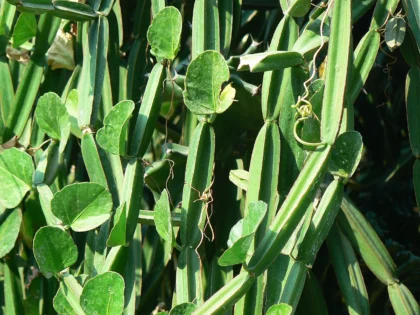
Gokhru is a small, leafy plant that grows in dry climates across parts of Africa, Europe, and Asia, including India. In Ayurveda, it is classified as a Rasayana—a rejuvenative tonic believed to support vitality and physical strength.
The Plant Part Used
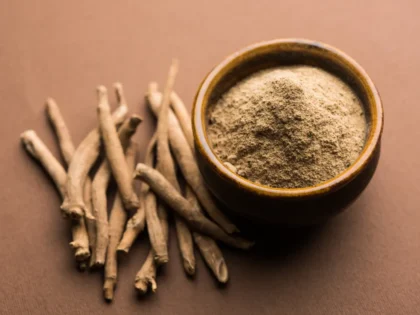
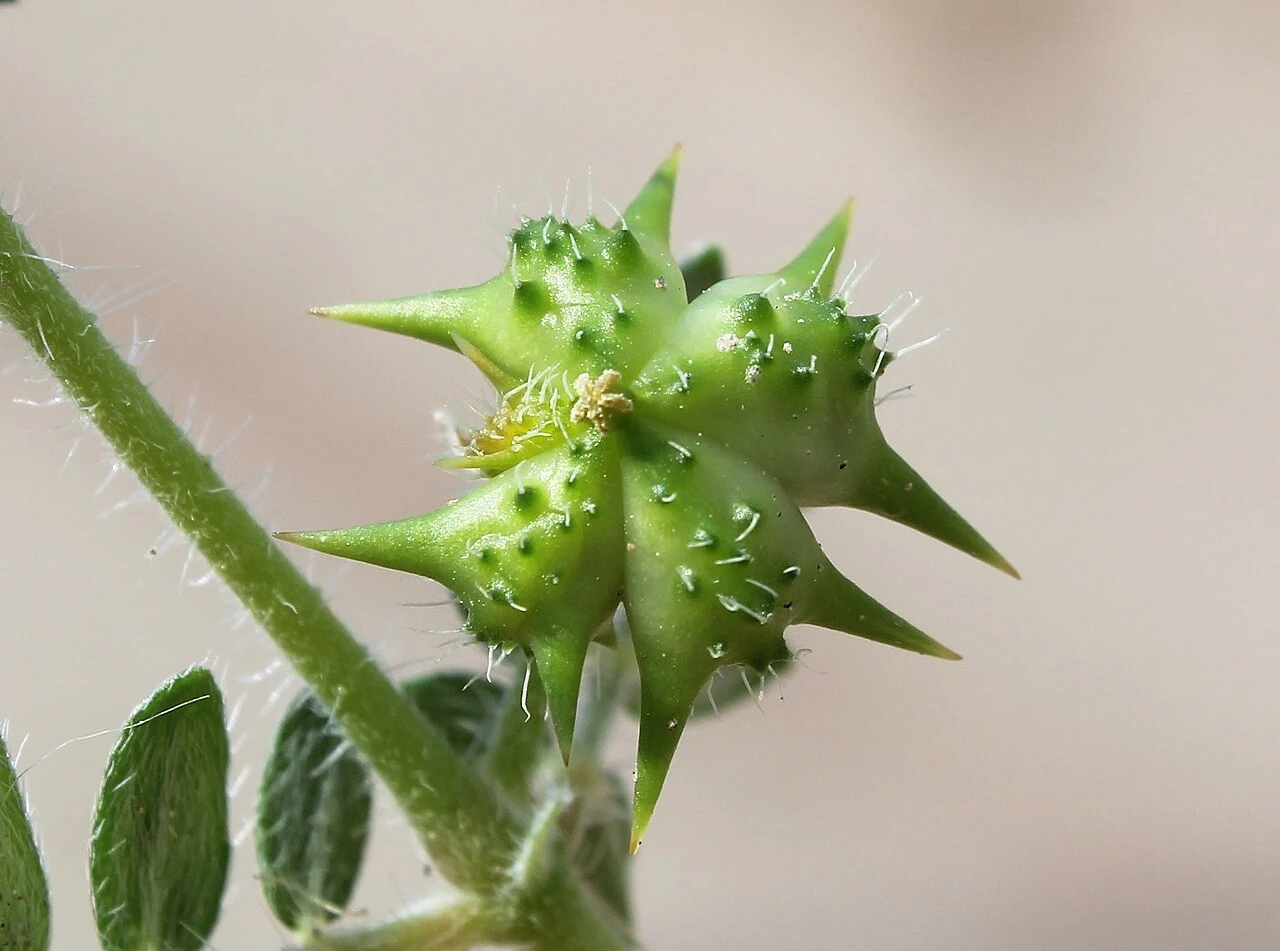
The medicinal properties are primarily found in the fruit (which looks like a small, spiny burr) and the root. For general consumer Gokhru powder (churna), the fruit is typically dried and ground into a fine powder.
Why the Distinction Matters
It is vital to understand that Gokhru contains active compounds called saponins.
- Gokhru Powder: This is the whole, dried fruit. It contains the full spectrum of the plant’s compounds but in lower, naturally occurring concentrations.
- Standardized Extracts: Most modern clinical studies use extracts, which are chemically processed to concentrate specific saponins (like protodioscin).
Because the concentration differs significantly, results seen in studies using potent extracts may not apply directly to raw powder.
Benefits of Gokhru Powder: What Research Actually Suggests
While marketing materials often promise transformative results, the scientific evidence is more modest and specific.
Testosterone Levels
This is the most common myth surrounding Gokhru. Comprehensive reviews and meta-analyses have found that Tribulus terrestris does not consistently increase testosterone levels in healthy men with normal hormone levels. While it is often sold as a testosterone booster, research published in the Journal of Ethnopharmacology indicates that these claims are largely unsupported by human trials.
Sexual Health and Libido
Evidence regarding sexual health is more promising. Research suggests Tribulus terrestris may support sexual desire and satisfaction.
- For Women: A randomized, double-blind, placebo-controlled study found that women with low sexual desire who took Tribulus experienced improved desire and arousal compared to the placebo group.
- For Men: Studies suggest it may help improve libido and satisfaction in men with mild erectile dysfunction, though this is likely due to nitric oxide release rather than hormonal changes.
Urinary Tract Health
In traditional medicine, Gokhru is primarily a diuretic. Pharmacological reviews confirm that the plant contains nitrates and potassium, which increase urine output. This supports its traditional use for flushing the urinary tract and managing mild fluid retention.
Athletic Performance
Despite its reputation in bodybuilding circles, research on athletes indicates that Gokhru does not significantly enhance muscle mass or strength compared to placebo.
Understanding Dosage Conceptually
There is no single, universally agreed-upon dosage for Gokhru powder in modern Western medicine. Ayurvedic recommendations vary based on body constitution (Prakriti) and the specific health goal.
Why “More” Is Not Better
Because Gokhru acts as a diuretic and affects glucose metabolism, taking excessive amounts can stress the kidneys and liver.
The “Start Low” Approach
Since Gokhru powder is less concentrated than an extract, the volume required is different. However, because potency varies between brands and harvests, it is always best to start with the smallest suggested amount on the product label to assess how your digestion handles it.
How to Take Gokhru Powder
Ayurveda emphasizes Anupana, the vehicle or medium used to take an herb to assist with absorption and balance.
Common Methods
- With Warm Water: The simplest method. Mixing the powder into warm water helps dissolve some of the compounds and aids digestion.
- With Milk: Traditionally, Gokhru is often boiled with milk (or plant-based milk) to buffer the stomach and improve palatability.
- With Honey or Ghee: Mixing the powder into a paste with honey or ghee can help mask the bitter, earthy taste and may slow absorption, making it gentler on the stomach.
Food vs. Empty Stomach
Gokhru can cause stomach upset in some people. Taking it after a light meal is generally recommended to minimize cramping or acid reflux.
Timing and Duration
When to Take It
Gokhru is not a stimulant like caffeine, so it generally does not cause jitters. However, due to its diuretic properties (it makes you urinate), it is often better to take it earlier in the day rather than right before bed to avoid disrupting sleep.
How Long to Notice Effects
Gokhru is a “slow-acting” herb.
- Immediate: You may notice increased urination within the first few days.
- Long-term: Effects on libido or vitality, if they occur, typically take several weeks of consistent use to manifest.
Cycling the Herb
Research on the safety of Tribulus terrestris usually covers periods of 8 to 12 weeks. To stay on the safe side, many practitioners recommend “cycling,” taking the herb for a few weeks, then taking a break.
Safety and Side Effects
Gokhru is generally considered safe for most healthy adults when used for short periods at recommended doses. However, side effects can occur.
Common Side Effects:
- Stomach cramps or pain
- Diarrhea or loose stools
- Nausea and vomiting
- Difficulty sleeping (in rare cases)
Serious Risks
While rare, there have been isolated reports of liver issues associated with very high doses. The LiverTox database classifies Tribulus terrestris as a rare cause of herb-induced liver injury. If you experience severe abdominal pain or yellowing of the skin/eyes, stop use immediately.
Who Should Avoid or Use Caution
Certain groups should avoid Gokhru due to a lack of safety data or potential biological risks.
- Pregnant and Breastfeeding Women: Animal studies indicate Tribulus may affect fetal development. It should be strictly avoided.
- Hormone-Sensitive Conditions: Because Gokhru may interact with hormonal pathways, individuals with conditions like breast cancer or prostate cancer should consult a specialist before use.
- Diabetics: Research has shown that Gokhru can significantly lower blood glucose levels. Combining it with diabetes medication could lead to hypoglycemia (dangerously low blood sugar).
- Surgery Patients: Stop using Gokhru at least two weeks before scheduled surgery due to potential effects on blood sugar and blood pressure.
Interactions with Medications and Herbs
Gokhru can interact with several common medications.
- Diuretics (Water Pills): Since Gokhru is a natural diuretic, taking it with prescription diuretics (like lithium or furosemide) can lead to dehydration or electrolyte imbalances.
- Blood Pressure Medication: Gokhru may lower blood pressure, potentially causing hypotension when combined with antihypertensive drugs.
- Diabetes Medication: As noted above, additive effects may cause low blood sugar.
Combining with Other Herbs
Gokhru is often found in “stacks” with Ashwagandha, Shilajit, or Safed Musli. While these combinations are common in Ayurveda, they increase the complexity of how your body reacts. Introduce one new supplement at a time to monitor for side effects.
Quality and Sourcing
Not all Gokhru powder is created equal. Contamination and adulteration are real concerns in the herbal supplement market.
What to Look For:
- FSSAI / AYUSH Compliance: Ensure the brand adheres to Indian regulatory standards.
- Plant Part: Check the label. It should specify Tribulus terrestris fruit or seed.
- Testing: Premium brands often test for heavy metals (lead, arsenic) and pesticides. This is crucial, as herbs grown in contaminated soil can absorb toxins.
- Appearance and Smell: High-quality powder should be fine, dry, and have a distinct, slightly sweet but earthy aroma. Clumping or a foul smell may indicate moisture damage.
Storage
Store the powder in an airtight container in a cool, dark place. Moisture is the enemy of herbal powders.
Myth | Fact |
“Gokhru boosts testosterone.” | Research shows it does not increase testosterone in healthy men. |
“It is a natural Viagra.” | It may support libido, but it does not function mechanically like erectile dysfunction drugs. |
“It builds muscle fast.” | Studies in athletes show no significant gain in muscle mass compared to placebos. |
“Natural means safe.” | Gokhru has potent biological effects and can interact with medications and organs. |
FAQs
Can I take Gokhru powder every day?
While many use it daily, research supports short-term use (up to 8–12 weeks). Taking breaks (cycling) is a prudent approach to safety.
Can women take Gokhru?
Yes, research has examined Tribulus for sexual function in women, particularly those experiencing low libido. However, pregnant or nursing women must avoid it.
Is it safe for older adults?
Older adults should be cautious, as they are more likely to be on medications (blood pressure, diabetes) that interact with Gokhru. Consult a doctor first.
Is it safe for kidneys?
While traditionally used to support urinary health, people with pre-existing kidney disease should not use diuretics like Gokhru without strict medical supervision.
How long before I see results?
Unlike synthetic drugs, herbal powders work subtly. It may take 4 to 6 weeks of consistent use to notice changes in vitality or libido.
The Bottom Line
Gokhru powder is a storied herb with a history of use for urinary health and vitality. While modern science supports its potential to aid libido and flush the urinary tract, it is not the testosterone-boosting muscle builder often advertised.
If you choose to use Gokhru, treat it with respect: start with small amounts, monitor your body’s reaction, and always discuss it with your healthcare provider, especially if you are managing other health conditions.
References
- Testosterone and Sexual Health Review
Neychev V, Mitev V. (2016). Pro-sexual and androgen enhancing effects of Tribulus terrestris L.: Fact or Fiction. Journal of Ethnopharmacology.
https://pubmed.ncbi.nlm.nih.gov/26727646/ - Sexual Dysfunction in Women
Akhtari E, et al. (2014). Tribulus terrestris for treatment of sexual dysfunction in women: randomized double-blind placebo-controlled study. DarU Journal of Pharmaceutical Sciences.
https://www.ncbi.nlm.nih.gov/pmc/articles/PMC4045980/ - Athletic Performance and Muscle Mass
Pokrywka A, et al. (2014). Insights into Supplements with Tribulus Terrestris used by Athletes. Journal of Human Kinetics.
https://www.ncbi.nlm.nih.gov/pmc/articles/PMC4120469/ - Diabetes and Blood Glucose Control
Samani NB, et al. (2016). Efficacy of Tribulus Terrestris Extract on the Serum Glucose and Lipid Profile of Women With Diabetes Mellitus type 2. Journal of Evidence-Based Complementary & Alternative Medicine.
https://pubmed.ncbi.nlm.nih.gov/27763375/ - General Pharmacology and Diuretic Effects
Chhatre S, et al. (2014). Phytopharmacological overview of Tribulus terrestris. Pharmacognosy Reviews.
https://www.ncbi.nlm.nih.gov/pmc/articles/PMC3931200/ - Liver Safety Profile
National Institute of Diabetes and Digestive and Kidney Diseases. (2018). LiverTox: Clinical and Research Information on Drug-Induced Liver Injury [Tribulus terrestris].
https://www.ncbi.nlm.nih.gov/books/NBK548171/
Medical Disclaimer
The information provided in this article is for educational purposes only and is not intended as medical advice, diagnosis, or treatment.
Dietary supplements are not regulated in the same way as prescription medications, and individual responses may vary. Always consult a qualified healthcare professional before starting, stopping, or changing any supplement, especially if you are pregnant, breastfeeding, have a medical condition, or take prescription medications.
This article does not replace professional medical care and should not be used to diagnose or treat any health condition.