Understanding Hadjod Powder: Uses, Safety, and Research
-
Kashyap Vyas
- Posted on
- 0 comments
Medically reviewed for accuracy and clarity by an independent healthcare editor.
TL;DR
- Hadjod powder comes from the stem of Cissus quadrangularis and has a long history of use in traditional medicine, especially for bone health and fracture support.
- Most scientific studies use concentrated extracts, not raw powder, which means specific clinical findings—especially regarding accelerated healing rates—do not apply to Hadjod powder.
- Research does not support Hadjod as a “bone setter” or replacement for casts and surgery, though limited evidence suggests it may support bone metabolism and reduce joint pain.
- Hadjod works gradually rather than immediately, and if effects occur, they typically develop over several weeks of consistent use.
- Hadjod is generally well tolerated when processed correctly, but it may cause digestive issues or interact with diabetes medications and is not recommended during pregnancy.
In the world of traditional Indian medicine, few herbs carry a reputation as strong as Hadjod (Cissus quadrangularis). Historically referred to as Asthisamharaka, which loosely translates to “that which protects the bone,” has been a staple in Ayurveda for centuries.
If you are recovering from a fracture or looking to support your musculoskeletal health, you may have come across Hadjod powder. However, navigating the gap between ancient tradition and modern science can be confusing.
This guide explores what research says about Hadjod, how to use the powder form safely, and why it is important to distinguish between supportive care and medical treatment.
What Is Hadjod (Cissus Quadrangularis)?
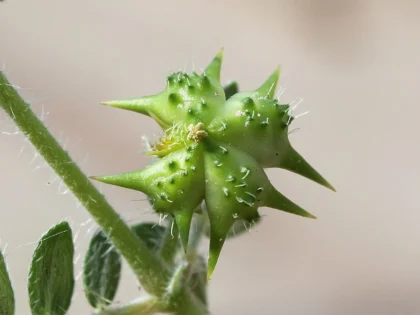
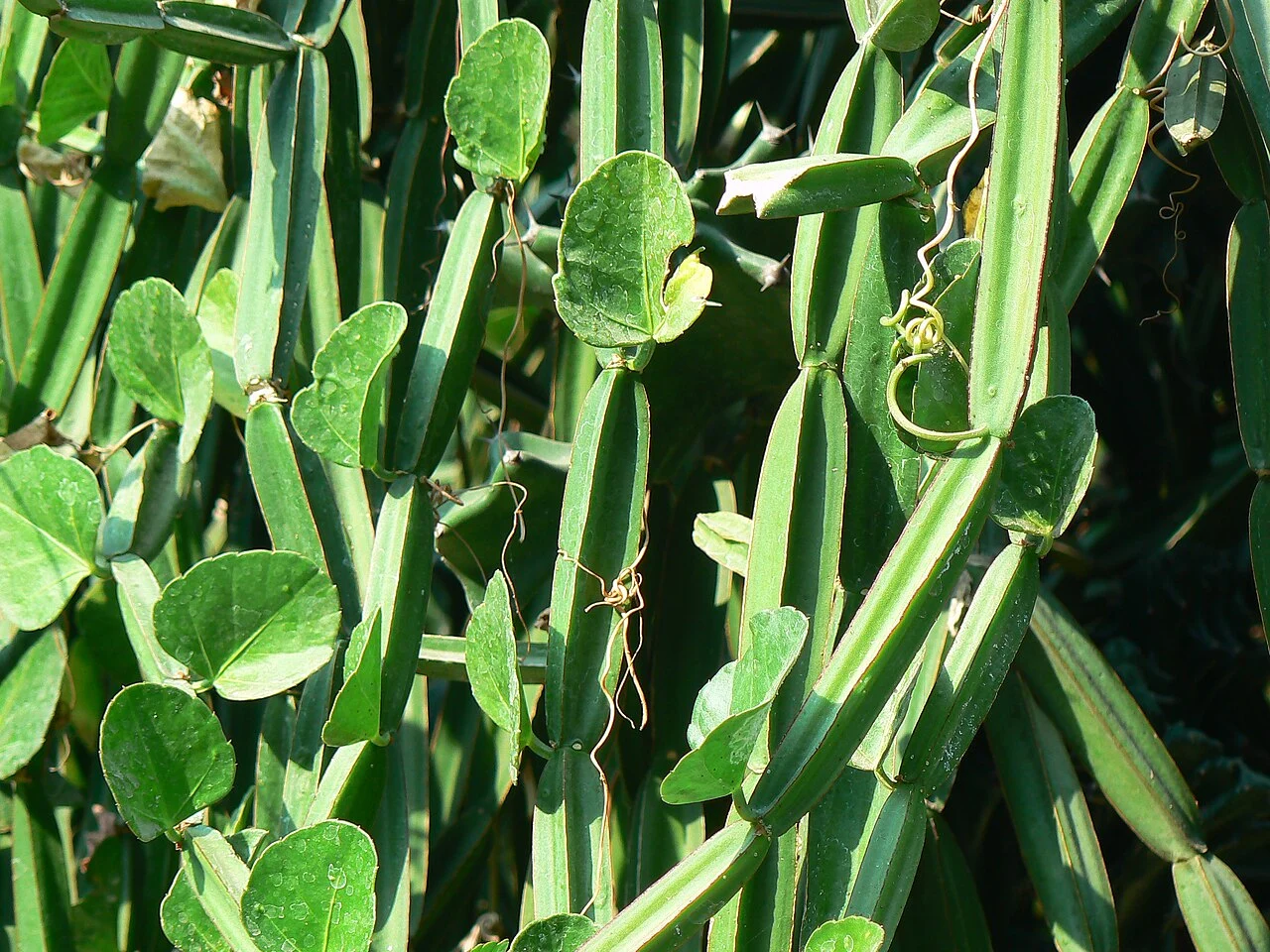
Cissus quadrangularis is a perennial succulent belonging to the grape family. Native to hot, dry regions of India, Africa, and Southeast Asia, it is distinguishable by its quadrangular (four-sided) cactus-like stems.
The Part Used
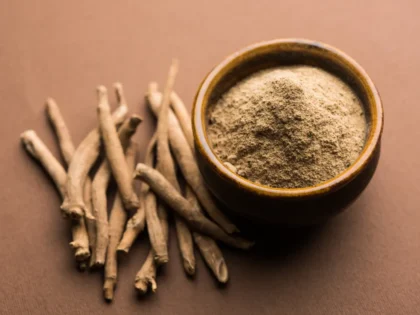
In traditional preparations, the stem of the plant is the primary component. For Hadjod powder (often sold as churna), these stems are dried and ground into a fine dust.
Why Is It Associated with Bones?
The plant is rich in natural compounds including carotenoids, triterpenoids, vitamins, and minerals. Tradition suggests that these compounds help drive calcium into bone tissue. Consequently, it has historically been used to support fracture healing and joint flexibility.
Powder vs. Extract: A Critical Distinction
Before adding Hadjod to your routine, it is vital to understand the difference between the whole powder and standardized extracts, as they are not the same thing.
1. Standardized Extracts
Most modern clinical studies (human research) use extracts. These are processed lab formulations that isolate and concentrate specific bioactive compounds, such as ketosteroids or specific flavonoids.
- Pros: Consistent potency, higher concentration of active ingredients.
- Cons: Highly processed, removed from the “whole plant” synergy.
2. Hadjod Powder (Churna)
This is the raw, dried plant stem.
- Pros: Contains the full spectrum of the plant’s fiber and nutrients.
- Cons: Potency varies wildly depending on where the plant grew and how it was harvested. It contains much lower concentrations of active compounds than extracts.
Hadjod Benefits: What Research Actually Suggests
While the reputation of Hadjod is vast, the clinical evidence is still emerging. Here is a reality check on what science currently tells us.
Bone Health and Fracture Recovery
Research published in journals available through the National Institutes of Health (NIH) databases indicates that Cissus quadrangularis may influence bone metabolism.
- Animal & Cell Studies: Several studies suggest the herb may stimulate the proliferation of osteoblasts (cells responsible for bone formation) and increase collagen synthesis. For example, animal models have shown protection against bone loss in estrogen-deficient conditions.
- Human Studies: Evidence is preliminary. Small pilot studies using specific extracts have observed reductions in pain and swelling during fracture recovery. However, large-scale, rigorous human trials confirming accelerated bone healing are still needed.
- Verdict: Hadjod may support the biological processes involved in bone repair, but it is not a proven “cure” or “fast-forward” button for fractures.
Joint Pain and Inflammation
Some research focuses on the anti-inflammatory properties of the plant. A pilot study on exercise-induced joint pain in men found that supplementing with a specific extract significantly reduced joint discomfort compared to baseline. This suggests potential benefits for general joint mobility.
What Evidence Does Not Support
There is currently no strong clinical evidence to support claims that Hadjod can:
- Replace a cast, brace, or surgery.
- Replace Calcium or Vitamin D supplementation (it may help utilize them, but it does not replace them).
- Instantly knit bones back together.
Understanding Dosage Conceptually
Because Hadjod powder is a raw agricultural product rather than a standardized drug, there is no single FDA-approved dosage.
Why “More” Is Not Better
Raw Hadjod stems naturally contain calcium oxalate crystals. In large amounts, these can be irritating to the throat and digestive tract. Taking excessive amounts of powder in hopes of faster healing may lead to significant stomach upset rather than better bone health.
The “Start Low” Approach
Traditional practitioners often customize dosage based on a person’s digestive strength (Agni). For the average consumer using a store-bought powder, the safest approach is to follow the manufacturer’s lowest suggested serving size to test for tolerance.
How to Take Hadjod Powder
If you choose to use Hadjod powder, traditional Ayurvedic methods often focus on using a “vehicle” (Anupana) to help with absorption and palatability.
1. With Milk or Ghee
The traditional way to take Hadjod is with warm milk or a small amount of ghee (clarified butter).
- Why: The fats may assist in the absorption of lipid-soluble compounds in the herb. Milk also provides the calcium that Hadjod is theoretically helping the body utilize.
2. With Honey and Water
The powder can be mixed with a teaspoon of honey and warm water.
- Why: Hadjod powder can be bitter and acrid. Honey makes it palatable and is considered a carrier in Ayurveda.
3. Food vs. Empty Stomach
Hadjod can be heavy to digest. It is generally recommended to take it after meals to minimize the risk of gastric irritation or nausea.
Timing and Duration
Consistency Over Intensity
Herbal support is rarely fast-acting. Effects, if any, are usually cumulative.
- Timing: Taking it at the same time daily (e.g., after breakfast) helps establish a routine.
- Duration: In traditional contexts, bone-supportive herbs are often taken for several weeks (e.g., 4 to 8 weeks).
Note: If you are using it for a specific timeline (like fracture recovery), consult your doctor about when to stop. Safety assessments suggest that while the plant is generally non-toxic, long-term, indefinite use of high-oxalate herbs without breaks requires professional guidance.
Safety and Side Effects
While considered generally safe for most healthy adults when used appropriately, Hadjod is not without side effects.
Common Side Effects
- Digestive Issues: Gas, bloating, diarrhea, and stomach pain are the most common complaints.
- Dry Mouth: Users frequently report a sensation of dryness or thirst.
- Headache: Mild headaches have been reported in some users.
The “Itchy Throat” Factor
If the Hadjod powder has not been processed or purified correctly, the calcium oxalate crystals can cause an itching or stinging sensation in the throat. High-quality powders usually undergo a purification process (shodhana) to mitigate this.
Who Should Avoid or Use Caution
Certain groups should exercise extreme caution or avoid Hadjod entirely.
- Pregnancy and Breastfeeding: There is insufficient safety data regarding Cissus quadrangularis during pregnancy. It is best to avoid it.
- Diabetes: Research in diabetic animal models suggests Hadjod may lower blood sugar levels. Combining it with diabetes medication could cause hypoglycemia (blood sugar dropping too low).
- Surgery Patients: Because of its potential impact on blood sugar and blood pressure, stop taking Hadjod at least 2 weeks before any scheduled surgery.
- People with Sensitive Stomachs: If you have gastritis or acid reflux, the powder may aggravate your symptoms.
Interactions
Herbs can interact with pharmaceutical medications.
- Diabetes Medications: Monitor blood sugar closely if you combine these; dosage adjustments by your doctor may be needed.
- Antihypertensives: Hadjod may have mild effects on blood pressure; use caution.
- Osteoporosis Medications: Do not stop taking prescribed bisphosphonates or other bone density drugs in favor of Hadjod. Discuss with your doctor if they can be used together.
Quality and Sourcing (What to Look For)
The supplement market is not strictly regulated. To ensure safety:
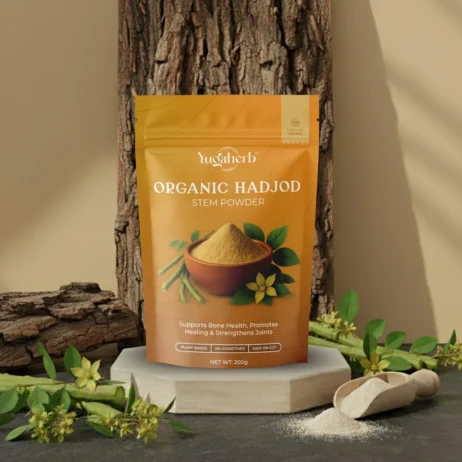
- Check the Label: Look for “stem powder.”
- Processing: In India, look for brands that mention purification or traditional processing methods to reduce oxalates.
- Certification: Look for FSSAI compliance (in India) or GMP (Good Manufacturing Practice) seals.
- Storage: Keep the powder in an airtight container away from moisture to prevent clumping and spoilage.
Myth-Busting: Separating Fact from Fiction
Myth: “Hadjod heals broken bones on its own.”
Fact: No herb sets a bone. Medical alignment (casting/surgery) is required. Hadjod acts only as a nutritional support for the body’s natural healing process.
Myth: “It replaces Calcium supplements.”
Fact: Hadjod is believed to help the body use calcium, but it is not a substitute for calcium intake itself.
Myth: “Natural means safe.”
Fact: Arsenic is natural; so are poisonous mushrooms. Hadjod has biological effects and can cause side effects. Treat it with the same respect you would a medication.
FAQs
Can I take Hadjod powder every day?
Short-term daily use (6–8 weeks) is common in traditional practice. However, indefinite daily use without breaks is usually not recommended due to the lack of long-term safety studies.
Is it safe for older adults?
Generally, yes, but older adults are more likely to be on other medications. A doctor should review the combination to prevent interactions.
Can it be used during fracture recovery?
Yes, it is frequently used as a complementary support alongside standard orthopaedic care. It does not replace the need for a doctor.
How long before I see results?
Unlike a painkiller, Hadjod does not provide instant relief. If it supports bone mineralization, that process happens silently over weeks and months.
A Note of Compassion
Recovering from a bone injury or managing joint health can be frustrating and slow. It is natural to look for anything that might speed up the process.
Hadjod powder may offer nutritional and chemical support for your body’s incredible ability to repair itself. However, the heavy lifting is done by time, rest, proper nutrition, and medical care. View Hadjod as a supportive friend in your recovery journey, not the captain of the ship.
Always consult with a healthcare professional before starting any new herbal supplement, especially if you have a medical condition or are taking prescription medication.
References
Stohs SJ, Ray SD. A review and evaluation of the efficacy and safety of Cissus quadrangularis extracts. Phytotherapy Research. 2013;27(8):1107-1114.
https://pubmed.ncbi.nlm.nih.gov/23239520/Banu J, Varela E, Bahadur AN, et al. Inhibition of bone loss by Cissus quadrangularis in mice: a preliminary report. Journal of Osteoporosis. 2012;2012:101206.
https://www.ncbi.nlm.nih.gov/pmc/articles/PMC3388376/Brahmkshatriya HR, Shah KA, Ananthkumar GB, Brahmkshatriya MH. Clinical evaluation of Cissus quadrangularis as osteogenic agent in maxillofacial fracture: A pilot study. Ayu. 2015 Apr-Jun;36(2):169-73. doi: 10.4103/0974-8520.175542. PMID: 27011718; PMCID: PMC4784127.
https://www.ncbi.nlm.nih.gov/pmc/articles/PMC3821708/Bloomer RJ, Moran RG, Omer J. Cissus quadrangularis reduces joint pain in exercise-trained men: a pilot study. The Physician and Sportsmedicine. 2013;41(3):29-35.
https://pubmed.ncbi.nlm.nih.gov/24113700/Kothari SC, Shivarudraiah P, Venkataramaiah SB, et al. Safety assessment of Cissus quadrangularis extract (CQR-300): subchronic toxicity and mutagenicity studies. Food and Chemical Toxicology. 2011;49(12):3343-3357.
https://pubmed.ncbi.nlm.nih.gov/21996155/Chidambaram J, Carani Venkatraman A. Cissus quadrangularis stem extract attenuates hyperglycaemia-mediated oxidative stress in streptozotocin-induced diabetic rats. Redox Report. 2010;15(5):213-220.
https://pubmed.ncbi.nlm.nih.gov/21062534/
Medical Disclaimer
The information provided in this article is for educational purposes only and is not intended as medical advice, diagnosis, or treatment.
Dietary supplements are not regulated in the same way as prescription medications, and individual responses may vary. Always consult a qualified healthcare professional before starting, stopping, or changing any supplement, especially if you are pregnant, breastfeeding, have a medical condition, or take prescription medications.
This article does not replace professional medical care and should not be used to diagnose or treat any health condition.