How to Take Ashwagandha Powder: A Complete Guide to Use, Safety, and Evidence
-
Kashyap Vyas
- Posted on
- 0 comments
Medically reviewed for accuracy and clarity by an independent healthcare editor.
TL;DR
- Ashwagandha powder is traditionally made from the plant’s root, but most modern research studies use standardized extracts, not raw powder, so results and dosing cannot be directly compared.
- If you choose to use the powder, start with a small amount and take it consistently, rather than increasing the dose quickly, and pay attention to how your body responds.
- Any effects tend to be gradual, often appearing over weeks rather than days, and ashwagandha is not a quick fix for stress or sleep issues.
- Ashwagandha is generally well tolerated in the short term, but it is not suitable for everyone, especially during pregnancy or for people with thyroid conditions, autoimmune disorders, liver concerns, or those taking certain medications.
- Product quality matters, particularly in India—choose root-only powders that follow FSSAI guidelines and offer third-party testing to reduce the risk of contamination.
If you have spent any time exploring wellness in India, you are likely familiar with ashwagandha. Known for its distinct earthy aroma, this root has been a staple of Ayurvedic households for generations. Today, it is gaining global recognition as a potential tool for managing the stresses of modern life.
However, as ashwagandha moves from traditional medicine jars to modern smoothie bowls, there is often a gap in understanding how to use it correctly. Taking ashwagandha powder is not as simple as “the more, the better.”
This guide explores how to incorporate ashwagandha powder into your routine safely, what the science actually says, and how to navigate the specific quality concerns relevant to the Indian market.
What Exactly is Ashwagandha Powder?
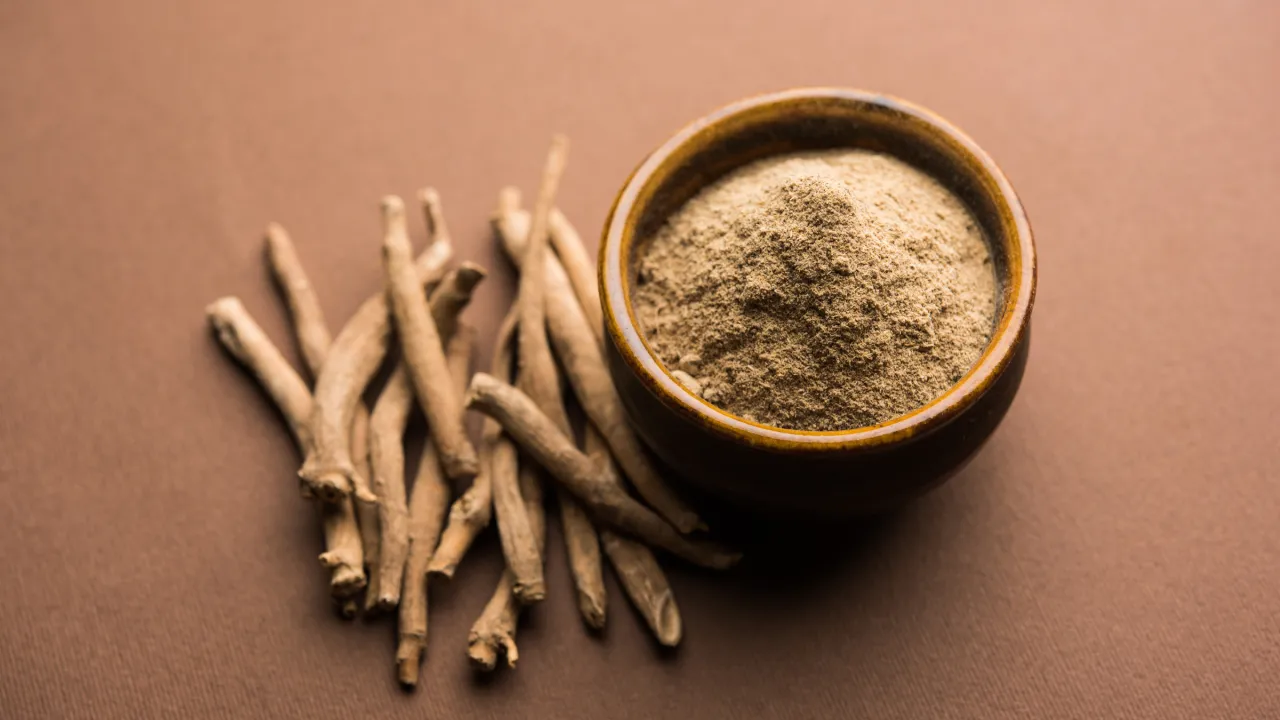
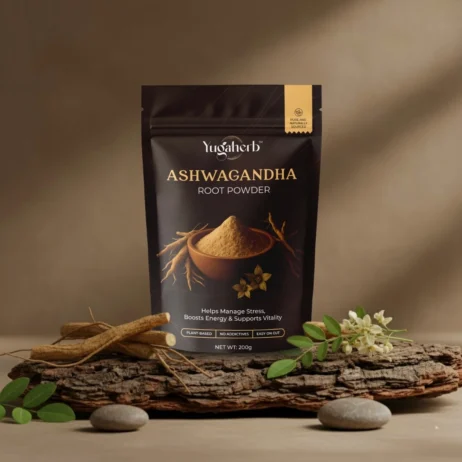
Ashwagandha (Withania somnifera) is a small shrub with yellow flowers. While the leaves and berries are sometimes used, the “ashwagandha powder” you find in shops, often labeled as Ashwagandha Churna, is made almost exclusively from the plant’s roots.
The roots are harvested, cleaned, dried, and ground into a fine, beige powder. In Sanskrit, “Ashwagandha” translates to “smell of the horse,” referring both to the root’s unique scent and the traditional belief that it provides the strength and vitality of a horse.
The Critical Difference: Powder vs. Extract
Before you begin, it is vital to understand that ashwagandha comes in two primary forms, and they are not interchangeable.
- Raw Root Powder (Churna): This is the whole root ground up. It contains all the fibers and compounds of the plant in their natural state. It is less concentrated but offers a “whole-plant” approach.
- Standardized Extracts: These are made using a process (often involving water or milk) to pull out the “active” compounds, called withanolides. These are much more potent.
Most clinical research today is conducted using extracts. Because raw powder is significantly less concentrated, you cannot expect the same results from a given amount of powder as you would from the same amount of a high-potency extract. This is why “dosage” for powder is often more about traditional use than precise clinical data.
What Does the Research Actually Suggest?
Ashwagandha is classified as an adaptogen. In the world of evidence-based nutrition, an adaptogen is a substance that may help the body maintain balance (homeostasis) during times of physical or emotional stress.
While research is ongoing, current studies suggest that ashwagandha may support the body in the following ways:
- Stress and Anxiety: Several randomized controlled trials using standardized ashwagandha extracts suggest a reduction in cortisol, a hormone involved in the body’s stress response.
- Sleep Quality: Some research using standardized extracts suggests that ashwagandha may support sleep onset and perceived sleep quality in people experiencing sleep difficulties.
- Cognitive Support: There is limited and preliminary evidence from small studies suggesting possible benefits for aspects of memory and attention, though more research is needed.
The Limitation: It is important to note that most of this evidence is based on standardized extracts, not raw powder. While the powder contains the same compounds, the evidence for its specific effectiveness is more limited and relies heavily on historical, traditional use.
Understanding Dosage without Numbers
One of the most common questions is “How many grams should I take?” However, because raw powder is a natural agricultural product, there is no single “correct” dose that applies to everyone.
The concentration of active withanolides in a scoop of powder can vary based on the soil where the plant grew, the time of harvest, and how it was stored.
Instead of chasing a specific number, think about dosage through these lenses:
- Start with the label: Always start with the smallest serving size recommended by the manufacturer.
- The “Slow Build” approach: Adaptogens are not intended to work instantly. It is better to take a small, consistent amount daily than to take a large amount occasionally.
- Individual Tolerance: Every body reacts differently. Some people may find ashwagandha slightly stimulating, while others find it very relaxing. Starting small allows you to observe these effects without overwhelming your system.
When is the Best Time to Take It?
There is no “perfect” time for ashwagandha, but your personal goals may help you decide when to include it in your day.
- Morning Use: Some people find that taking ashwagandha in the morning helps them maintain a “level head” throughout a busy workday in a high-stress environment.
- Evening Use: Because of its potential to support sleep and relaxation, many prefer taking it as part of their “wind-down” ritual an hour or two before bed.
- Consistency over Timing: The most important factor is taking it at the same time every day. This helps maintain a steady presence of its compounds in your system.
How to Take Ashwagandha Powder
The flavor of ashwagandha is described as earthy, bitter, and “musky.” Because of this, very few people enjoy taking it with plain water.
Traditional Indian Methods
In Ayurveda, the substance you take an herb with is called an Anupana (vehicle). This is believed to help with absorption.
- With Milk: Traditionally, ashwagandha powder is stirred into a cup of warm milk before bed. The fats in the milk are thought to help the body absorb the fat-soluble compounds in the root.
- With Honey or Ghee: Mixing the powder into a small spoonful of honey or ghee can help mask the bitterness and make it easier to consume.
Modern Methods
- Smoothies: The bitter notes of ashwagandha are easily hidden by strong flavors like cocoa (chocolate), peanut butter, or banana.
- Lattes (Moon Milk): You can create a soothing drink by mixing the powder with plant-based or dairy milk, a pinch of cinnamon, and a natural sweetener.
- Food: You can stir the powder into oatmeal or yogurt, though you should avoid cooking the powder at high heat for long periods, as this may degrade some of its delicate compounds.
Managing Expectations: How Long Does it Take?
Ashwagandha is not a “quick fix” like a cup of coffee or a sleeping pill. You will likely not feel a difference after the first dose.
Clinical studies typically monitor participants for 8 to 12 weeks before measuring results. Most people report noticing subtle shifts in their stress levels or sleep patterns after about a month of daily use. If you do not feel a difference, do not immediately increase the dose; instead, ensure you are being consistent and using a high-quality product.
Safety and Side Effects
Most healthy adults can use ashwagandha powder safely in the short term. However, it is not without potential side effects.
Common Side Effects
- Digestive Upset: Some people experience nausea, gas, or loose stools, especially if taken on an empty stomach.
- Drowsiness: Because it can be relaxing, it may cause mild sleepiness during the day for some users.
Rare but Serious Risks
While very uncommon, there have been reports of liver injury associated with ashwagandha supplements. According to LiverTox (NIH), symptoms of liver distress include:
- Yellowing of the eyes or skin (jaundice)
- Unusually dark urine
- Pain in the upper right side of the stomach
- Severe fatigue or loss of appetite
If you experience any of these, stop taking the supplement immediately and see a doctor.
Who Should Avoid or Use Extra Caution?
Ashwagandha is a powerful herb and is not suitable for everyone.
- Pregnant Women: Ashwagandha is generally advised against during pregnancy due to insufficient safety data. There is not enough high-quality human research to confirm that it is safe for pregnant individuals.
- Breastfeeding: There is not enough research to confirm its safety for nursing infants.
- Autoimmune Conditions: Ashwagandha may influence immune activity. Because of this, people with autoimmune conditions should use caution and consult a healthcare provider before using it.
- Thyroid Disorders: Ashwagandha may increase thyroid hormone levels. If you have hyperthyroidism or take thyroid medication, you must consult your doctor.
- Upcoming Surgery: Some clinicians recommend stopping ashwagandha before surgery as a precaution, due to its potential sedative effects. If you have a planned procedure, discuss supplement use with your surgeon or anesthesiologist.
Medication Interactions
Ashwagandha may interact with medications for:
- Diabetes (it may lower blood sugar further)
- High blood pressure
- Immune system suppression
- Anxiety or insomnia (sedatives)
Choosing a Quality Powder in India
In India, the market for ashwagandha is vast, ranging from local spice markets to high-end wellness brands. Quality matters.
- Look for FSSAI and AYUSH: Ensure the product is registered with the Food Safety and Standards Authority of India (FSSAI) and, ideally, has a certification from the Ministry of AYUSH.
- Check for Heavy Metals: One of the biggest risks with root powders grown in certain soils is contamination with heavy metals like lead, mercury, or arsenic. Reputable brands will provide a “Certificate of Analysis” (CoA) upon request to prove their product is pure.
- Check the Ingredients: A good ashwagandha powder should have exactly one ingredient: Withania somnifera root. Avoid products with added sugars, “nature-identical” flavors, or fillers.
- Storage: Ashwagandha powder is sensitive to moisture and light. Store it in a cool, dry, dark place in an airtight glass container to prevent it from clumping or losing its potency.
Top 3 Myths about Ashwagandha Powder
- Myth #1: “It’s natural, so it can’t hurt me.” Everything with a biological effect has potential side effects. Use it with respect and moderation.
- Myth #2: “It works like a sedative.” Ashwagandha doesn’t “knock you out.” It is thought to work by helping your body’s internal systems regulate themselves better over time.
- Myth #3: “If one scoop didn’t work, two will.” Increasing the dose often only increases the risk of diarrhea or stomach cramps without providing extra benefits.
FAQs
Can I take it every day?
Some people choose to ‘cycle’ their use based on personal preference, as long-term daily safety data are limited. However, this approach has not been formally studied.
Can I take it with my morning chai?
While you can, the caffeine in chai is a stimulant, which might counteract the relaxing properties of ashwagandha. Many find it better to take it at a separate time.
Does it affect male or female hormones?
Some limited research suggests potential effects on reproductive health markers, particularly in men, but these findings are preliminary and should not be interpreted as hormone treatment.
Is it safe for children?
While traditionally used in small amounts in some Indian cultures, there is no modern clinical data to establish a safe dose for children. Consult a pediatrician first.
Takeaway
Ashwagandha powder is a remarkable link to ancient tradition that offers potential benefits for our high-stress modern lives. However, it is most effective when used as part of a holistic approach to health alongside good sleep, a balanced diet, and regular movement.
If you are considering ashwagandha, start slowly, listen to your body, and always keep your healthcare provider in the loop. You are taking a proactive step toward your well-being, and that deserves a thoughtful, informed approach.
References
- National Institutes of Health, Office of Dietary Supplements (ODS).
Ashwagandha (Withania somnifera) — Health Professional Fact Sheet.
https://ods.od.nih.gov/factsheets/Ashwagandha-HealthProfessional/ - National Center for Complementary and Integrative Health (NCCIH).
Ashwagandha: Usefulness and Safety.
https://www.nccih.nih.gov/health/ashwagandha - LiverTox: Clinical and Research Information on Drug-Induced Liver Injury.
Ashwagandha.
National Institute of Diabetes and Digestive and Kidney Diseases; National Library of Medicine.
https://www.ncbi.nlm.nih.gov/books/NBK548536/ - Lopresti AL, Smith SJ, Malvi H, Kodgule R.
An investigation into the stress-relieving and pharmacological actions of ashwagandha (Withania somnifera): A randomized, double-blind, placebo-controlled study. Journal of Clinical Psychopharmacology. 2019.
https://pubmed.ncbi.nlm.nih.gov/31517876/ - Langade D, Kanchi S, Salve J, Debnath K, Ambegaokar D.
Efficacy and safety of ashwagandha root extract in insomnia and anxiety: A double-blind, randomized, placebo-controlled study. Cureus. 2019.
https://pubmed.ncbi.nlm.nih.gov/31728244/ - Chandrasekhar K, Kapoor J, Anishetty S.
A prospective, randomized double-blind, placebo-controlled study of safety and efficacy of a high-concentration full-spectrum ashwagandha root extract in reducing stress and anxiety in adults. Indian Journal of Psychological Medicine. 2012.
https://pubmed.ncbi.nlm.nih.gov/23439798/
Note: Most clinical studies cited above use standardized ashwagandha extracts, not raw root powder. Evidence specific to powder relies largely on traditional use and extrapolation from extract-based research.
Medical Disclaimer
The information provided in this article is for educational purposes only and is not intended as medical advice, diagnosis, or treatment.
Dietary supplements, including ashwagandha powder, are not regulated in the same way as prescription medications, and individual responses may vary. Always consult a qualified healthcare professional before starting, stopping, or changing any supplement, especially if you are pregnant, breastfeeding, have a medical condition, or take prescription medications.
This article does not replace professional medical care and should not be used to diagnose or treat any health condition.